
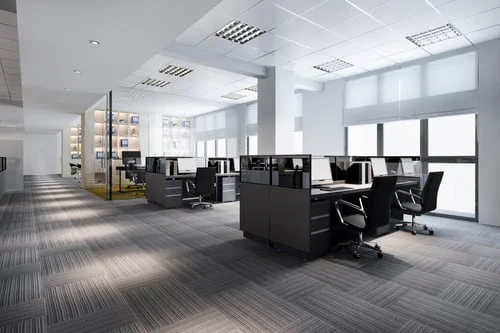
Common areas are the only part of a building every resident sees every single day, and they are usually the first thing a prospective tenant judges before they ever see the unit. They are also the part of a maintenance budget that gets scoped loosely, written into a contract as hallways and lobby, three times a week, and then argued about six months later. Clear expectations fix most of that. This is what a well-run common-area program looks like in a North Jersey apartment building, what should happen on which schedule, and what a property manager can reasonably demand from a vendor.
Define the Scope Room by Room, Not by Floor
A scope that just says common areas invites disagreement. List the actual spaces: vestibule and lobby, mailbox area, package room, elevator cabs and door tracks, corridors on each floor, stairwells including landings and handrails, laundry room, trash and recycling rooms, gym, roof deck, garage entry and exterior entry steps. Then attach a frequency to each one. Two buildings of identical size can have very different needs depending on whether the trash room sits on every floor or only in the basement, and whether the lobby opens straight onto a busy sidewalk or into a quiet courtyard. Write it down once and the argument never happens.
Build a Frequency Schedule That Holds Up
Frequencies should follow soil load rather than symmetry. The lobby and entry take the most abuse and need daily attention, while upper-floor corridors in a quiet building can go two or three times a week without anyone noticing. What matters most is that the low-frequency items are genuinely scheduled instead of left for whenever somebody has spare time, because those are exactly the tasks that quietly fall off the route and reappear a year later as a complaint about how tired the building looks. Put the monthly and quarterly items on a calendar with a named owner, the same way you would schedule a boiler service.
- Daily: entry glass, lobby floors, mats, elevator cabs, trash room, incident spot checks
- Quarterly: carpet extraction, stairwell deep clean, high dusting, garage entry sweep
Winter Salt Is the Real Budget Item
From the first storm through March, rock salt and calcium chloride do more damage to lobby flooring than a full year of ordinary foot traffic. Salt leaves an alkaline white haze that a standard neutral cleaner smears rather than removes, so a periodic neutralizing rinse is what actually clears it. Matting is the cheaper half of the fix: a scraper mat outside the door, an absorbent wiper mat inside, and enough total run that a resident takes several steps before reaching bare floor. Mats must be extracted or swapped, not vacuumed, or they become a salt reservoir. Stairwell treads get vacuumed before mopping, or grit becomes mud on the risers.
Odor, Elevators and the Details Residents Notice
Trash room smell is bacterial, and air freshener only layers perfume over it. The fix is enzyme cleaner on the floor, the floor drain and the chute door gasket, applied on a set schedule and given time to work, because chute frames collect a greasy residue that holds odor even when the room looks fine. Elevators are the other high-visibility item: vacuum the door tracks with a crevice tool, degrease the jambs, and wipe stainless panels with the grain using a proper stainless product rather than ammonia glass cleaner, which streaks and dulls the finish. Fingerprints on cab doors are the detail residents mention most.
What to Expect From the Vendor
Ask for a written scope with frequencies attached, a named point of contact and a per-visit log showing date, time in and out, tasks completed and anything reported. Time-stamped photos of the lobby and stairwells after each service take thirty seconds and end most disputes before they start. Clarify who supplies liners, paper goods and ice melt, and set a response expectation for spills, leaks and post-move-out corridor messes. Confirm the certificate of insurance names the ownership entity correctly, and agree how keys or fobs are held overnight. None of that is unusual to ask for, and a vendor who resists all of it is telling you something useful.
Buildings that keep their common areas consistently clean lease faster, renew better and replace flooring less often, and none of it requires an elaborate program. It requires a defined scope, honest frequencies and a crew that reliably shows up. Book any vendor walkthrough for a weekday morning, when the building looks its worst rather than its best. Scarlet Cleaning Services provides hallway, stairwell and common-area maintenance for buildings across Hudson, Bergen, Essex, Union and Passaic Counties, with free walkthroughs and written quotes for property managers and owners.